Paraguay is a landlocked country in South America with a unique government structure that has evolved over the years. Understanding the intricacies of the Paraguayan government is essential to gaining insight into the country's political landscape and decision-making processes.
Category : Paraguayan Government | Sub Category : Structure of Paraguayan Government Posted on 2025-02-02 21:24:53
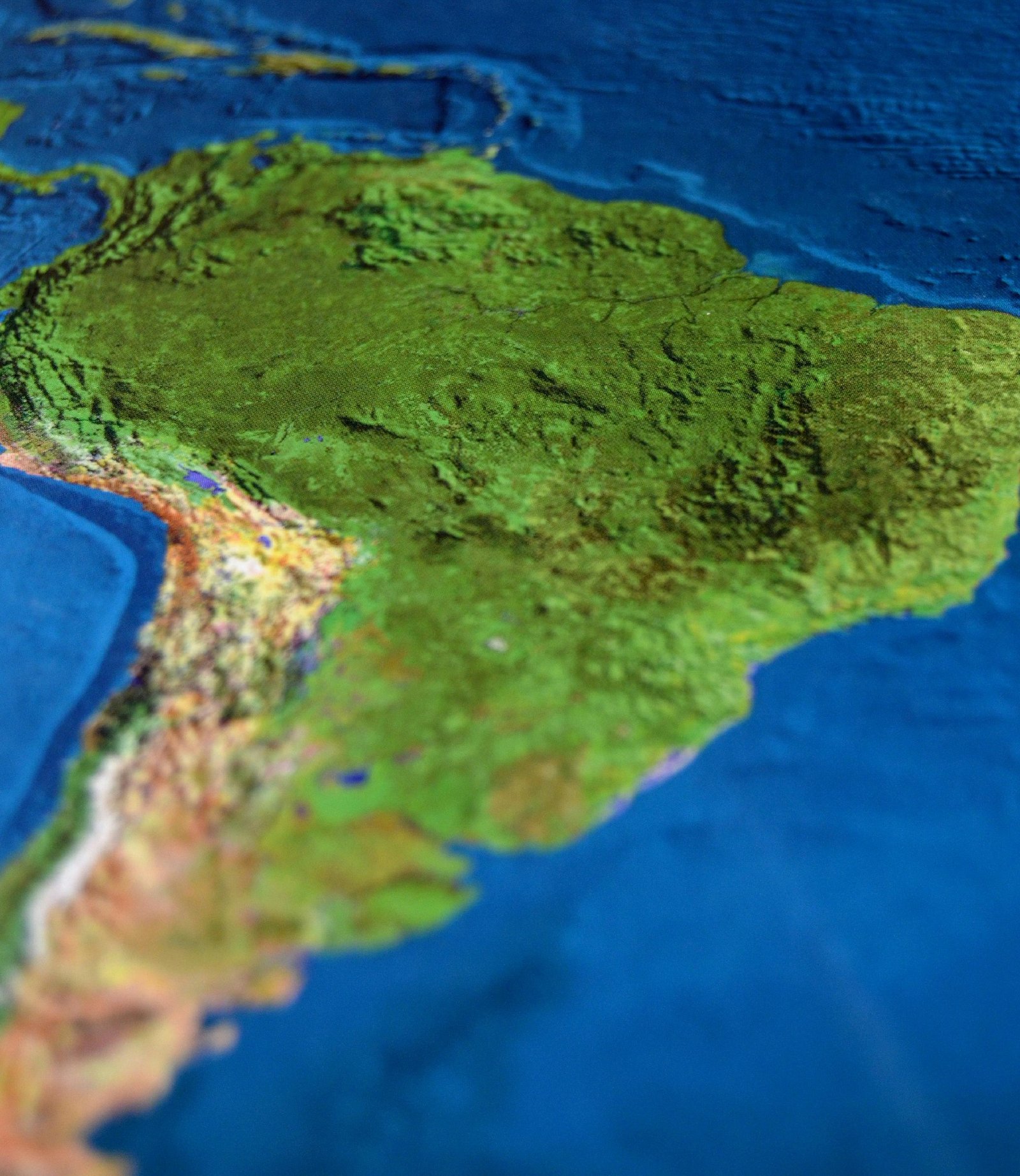
Paraguay is a landlocked country in South America with a unique government structure that has evolved over the years. Understanding the intricacies of the Paraguayan government is essential to gaining insight into the country's political landscape and decision-making processes.
The Paraguayan government is structured as a unitary presidential republic, which means that the President serves as both the head of state and the head of government. The President is elected by popular vote to serve a five-year term and can only be re-elected for a non-consecutive term. The current President of Paraguay is Mario Abdo Benitez, who has been in office since August 2018.
The Paraguayan government is divided into three branches: the executive, legislative, and judicial branches. The executive branch is led by the President and includes the Vice President and the Cabinet of Ministers, who are appointed by the President to oversee various government departments and agencies. The President is responsible for implementing and enforcing laws, as well as representing Paraguay in international affairs.
The legislative branch of the Paraguayan government is the National Congress, which is a bicameral legislature consisting of the Chamber of Deputies and the Senate. Members of the Chamber of Deputies are elected to five-year terms, while Senators serve for six years. The National Congress is responsible for making laws, approving the national budget, and overseeing the actions of the executive branch.
The judicial branch of the Paraguayan government is headed by the Supreme Court of Justice, which is the highest court in the country. The Supreme Court is responsible for interpreting and upholding the constitution, as well as ensuring that laws are applied fairly and consistently throughout the country. In addition to the Supreme Court, there are lower courts at the regional and local levels that handle civil, criminal, and administrative cases.
Overall, the government of Paraguay is designed to ensure a system of checks and balances among the three branches, with each branch having its own distinct powers and responsibilities. By understanding the structure of the Paraguayan government, we can appreciate the complexities of its political system and the mechanisms in place to uphold democracy and the rule of law in the country.
Leave a Comment:
SEARCH
Recent News
- Zurich, Switzerland is a vibrant city known for its stunning architecture, picturesque landscapes, and rich culture. One aspect of Zurich's cultural scene that often goes under the radar is its regional music. The city and its surrounding areas are home to a diverse range of musical styles, reflecting the multiculturalism and artistic diversity of the region.
- Top 5 Zurich Regional Movies You Must Watch
- Zurich, Switzerland: A Culinary Journey through Regional Cuisine
- Zurich, Switzerland is known for its rich culture and traditions, including traditional regional clothing that reflects the area's history and heritage. Swiss traditional clothing varies by region, with each area having its own unique style and designs. In Zurich, traditional Swiss clothing showcases a blend of functionality, craftsmanship, and aesthetics.
- Zurich, Switzerland and Paraguay Tourism: A Unique Contrast
- Zurich, Switzerland, is a vibrant city known for its stunning architecture, picturesque landscapes, and thriving cultural scene. In recent years, the city has also become a hub for film production, attracting filmmakers from around the world. Interestingly, a connection has emerged between Zurich and Paraguay through the medium of film.
- Zurich, Switzerland is known for its stunning natural beauty, modern cityscape, and thriving cultural scene. However, not many people are aware of the fascinating connection between Zurich and Paraguayan tribes. The link between these two seemingly disparate entities lies in the unique collection of Paraguayan artifacts housed in the Ethnographic Museum of Zurich.
- Zurich, Switzerland is known for its picturesque views, stunning architecture, and vibrant cultural scene. Located in the heart of Europe, Zurich offers a mix of traditional Swiss cuisine and international flavors. One particular cuisine that has been making waves in Zurich is Paraguayan cuisine.
READ MORE
10 months ago Category :

Zurich, Switzerland is a vibrant city known for its stunning architecture, picturesque landscapes, and rich culture. One aspect of Zurich's cultural scene that often goes under the radar is its regional music. The city and its surrounding areas are home to a diverse range of musical styles, reflecting the multiculturalism and artistic diversity of the region.
Read More →10 months ago Category :

Top 5 Zurich Regional Movies You Must Watch
Read More →10 months ago Category :

Zurich, Switzerland: A Culinary Journey through Regional Cuisine
Read More →10 months ago Category :
