Exploring the Rich Tradition of Biofood in Paraguayan Tribes
Category : | Sub Category : Posted on 2025-11-03 22:25:23
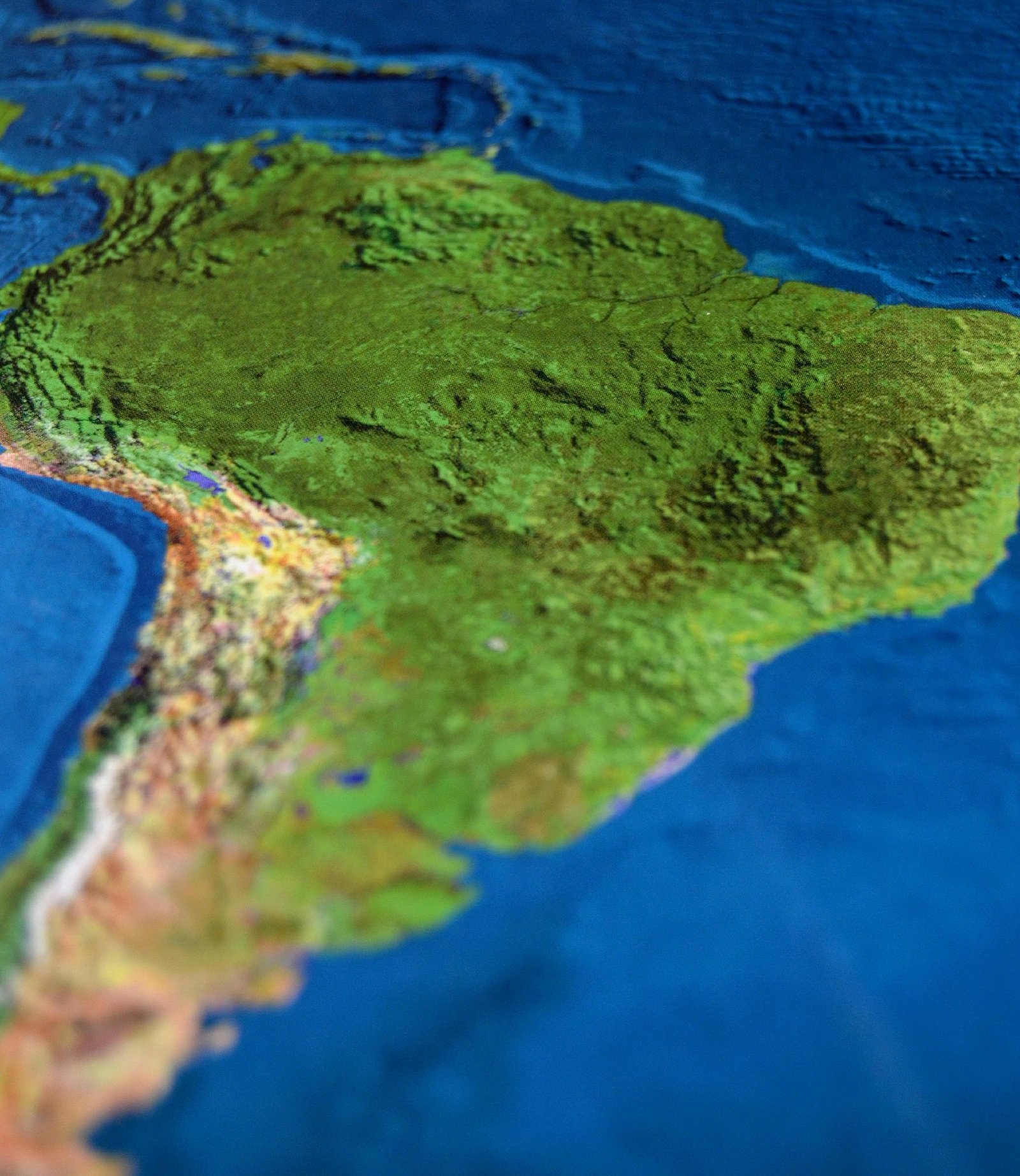
The indigenous tribes of Paraguay have a long history of relying on the land for their sustenance and well-being. One key aspect of their traditional diet is biofood, which refers to organic, locally-sourced foods that are free from chemicals and additives. Biofood plays a significant role in the culture and identity of Paraguayan tribes, as it not only provides nourishment but also symbolizes a deep connection to the Earth and a respect for natural resources. For centuries, Paraguayan tribes have been practicing sustainable agricultural methods that prioritize biodiversity and environmental conservation. By cultivating native crops and utilizing traditional farming techniques, they have been able to maintain a balanced ecosystem and ensure food security for their communities. The use of biofood in their diet is not only a source of nutrition but also a way to preserve their cultural heritage and pass down traditional knowledge to future generations. One of the most prominent biofoods in the diet of Paraguayan tribes is manioc, also known as cassava. This root vegetable is a staple crop in many indigenous communities and is used to make a variety of dishes such as cassava bread and cassava flour. Manioc is rich in carbohydrates and essential nutrients, making it an important source of energy for the tribes. Another key biofood in Paraguayan tribal diet is maize, or corn. Maize has been cultivated in the region for thousands of years and holds a special place in the cultural practices of the indigenous tribes. Corn is used to make traditional dishes such as sopa paraguaya (Paraguayan cornbread) and chipa (cheese bread), which are enjoyed during festive occasions and religious ceremonies. In addition to manioc and maize, Paraguayan tribes also rely on a variety of wild fruits, vegetables, and herbs as part of their biofood diet. These include fruits like guavira and mburucuyá, as well as herbs like ka'a he'e (Stevia rebaudiana) and ñandyparé (Peperomia galioides). These natural foods not only provide essential nutrients but also offer medicinal properties that have been passed down through generations. As modernization and globalization continue to impact indigenous communities in Paraguay, there is a growing concern about the preservation of traditional biofood practices. Efforts are being made to support sustainable agriculture, promote biodiversity, and protect indigenous knowledge systems to ensure the continued availability of biofoods for future generations. In conclusion, biofood plays a vital role in the culture, identity, and sustenance of Paraguayan tribes. Through their traditional agricultural practices and reliance on organic, locally-sourced foods, indigenous communities in Paraguay continue to uphold their connection to the land and preserve their rich cultural heritage. By embracing biofood, we can learn valuable lessons about sustainability, respect for nature, and the importance of traditional food systems in safeguarding our health and well-being. also click the following link for more https://www.alienvegan.com also for more https://www.childnut.com Want to learn more? Start with: https://www.cfruits.com also don't miss more information at https://www.topinduction.com Visit the following website https://www.foxysweet.com If you are enthusiast, check this out https://www.eatnaturals.com Dropy by for a visit at the following website https://www.biofitnesslab.com also for more info https://www.swiss-cuisine.com Seeking more information? The following has you covered. https://www.mimidate.com To understand this better, read https://www.huevo.org For a detailed analysis, explore: https://www.digestible.org For more information about this: https://www.vacas.net click the following link for more information: https://www.agriculturist.org Get a comprehensive view with https://www.cheffy.org also this link is for more information https://www.loseweighton.com For comprehensive coverage, check out https://www.stomachs.org To see the full details, click on: https://www.yemekleri.org Looking for expert opinions? Find them in https://www.culturelle.org If you are interested you can check https://www.departements.org visit: https://www.riodejanieroinfo.com Get more at https://www.salting.org Seeking in-depth analysis? The following is a must-read. https://www.instan.net For a different take on this issue, see https://www.regionales.net For a broader perspective, don't miss https://www.japfa.org Curious to learn more? Click on https://www.makanan.org Dive into the details to understand this topic thoroughly. https://www.nafdac.org To find answers, navigate to https://www.boliviainfo.com Explore this subject in detail with https://www.gustar.net
Leave a Comment:
SEARCH
Recent News
- Zurich, Switzerland is a vibrant city known for its stunning architecture, picturesque landscapes, and rich culture. One aspect of Zurich's cultural scene that often goes under the radar is its regional music. The city and its surrounding areas are home to a diverse range of musical styles, reflecting the multiculturalism and artistic diversity of the region.
- Top 5 Zurich Regional Movies You Must Watch
- Zurich, Switzerland: A Culinary Journey through Regional Cuisine
- Zurich, Switzerland is known for its rich culture and traditions, including traditional regional clothing that reflects the area's history and heritage. Swiss traditional clothing varies by region, with each area having its own unique style and designs. In Zurich, traditional Swiss clothing showcases a blend of functionality, craftsmanship, and aesthetics.
- Zurich, Switzerland and Paraguay Tourism: A Unique Contrast
- Zurich, Switzerland, is a vibrant city known for its stunning architecture, picturesque landscapes, and thriving cultural scene. In recent years, the city has also become a hub for film production, attracting filmmakers from around the world. Interestingly, a connection has emerged between Zurich and Paraguay through the medium of film.
- Zurich, Switzerland is known for its stunning natural beauty, modern cityscape, and thriving cultural scene. However, not many people are aware of the fascinating connection between Zurich and Paraguayan tribes. The link between these two seemingly disparate entities lies in the unique collection of Paraguayan artifacts housed in the Ethnographic Museum of Zurich.
- Zurich, Switzerland is known for its picturesque views, stunning architecture, and vibrant cultural scene. Located in the heart of Europe, Zurich offers a mix of traditional Swiss cuisine and international flavors. One particular cuisine that has been making waves in Zurich is Paraguayan cuisine.
READ MORE
10 months ago Category :

Zurich, Switzerland is a vibrant city known for its stunning architecture, picturesque landscapes, and rich culture. One aspect of Zurich's cultural scene that often goes under the radar is its regional music. The city and its surrounding areas are home to a diverse range of musical styles, reflecting the multiculturalism and artistic diversity of the region.
Read More →10 months ago Category :

Top 5 Zurich Regional Movies You Must Watch
Read More →10 months ago Category :

Zurich, Switzerland: A Culinary Journey through Regional Cuisine
Read More →10 months ago Category :
