Bolivia Nationalism Movements: A Historical Perspective
Category : | Sub Category : Posted on 2025-11-03 22:25:23
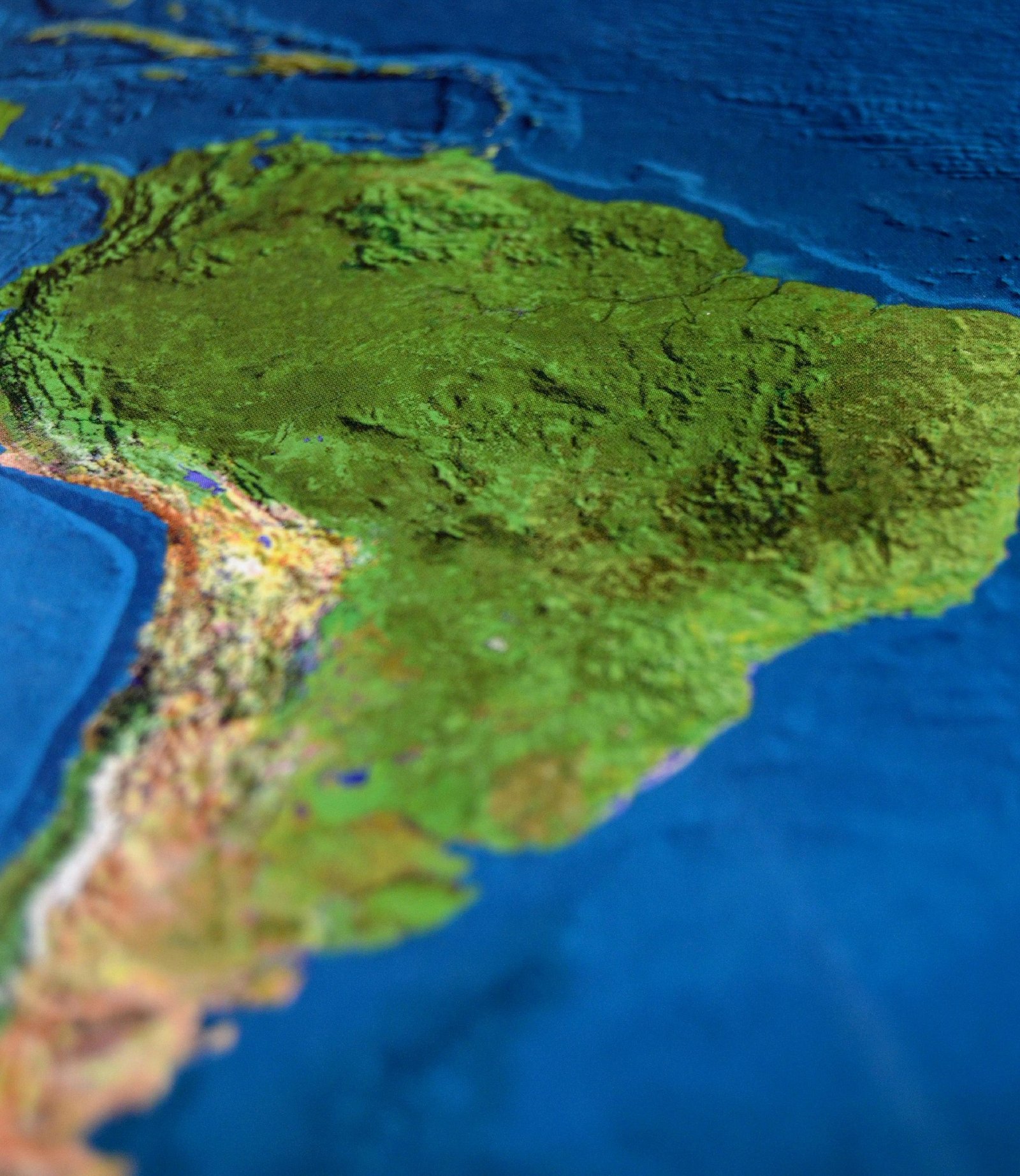
Nationalism movements in Bolivia have played a significant role in shaping the country's history and identity. Throughout the years, various nationalist movements have emerged, each with its own goals and strategies to promote the interests and rights of the Bolivian people. One of the most prominent nationalist movements in Bolivia's history is the Nationalist Revolutionary Movement (MNR), which emerged in the 1940s. Led by figures such as Víctor Paz Estenssoro and Hernán Siles Zuazo, the MNR aimed to challenge the traditional elites and bring about social and economic reforms to benefit the indigenous and peasant populations of Bolivia. The MNR's 1952 Revolution marked a turning point in Bolivian history, leading to agrarian reforms, nationalization of key industries, and universal suffrage. In the following decades, other nationalist movements emerged in Bolivia, each with its own agenda and approach to addressing the country's social, economic, and political challenges. The emergence of indigenous movements, such as the Confederation of Indigenous Peoples of Bolivia (CIDOB) and the Movement Towards Socialism (MAS) party led by Evo Morales, highlighted the importance of indigenous rights and representation in Bolivian politics. Nationalist movements in Bolivia have also been influenced by external factors, such as globalization and neoliberal policies promoted by international institutions. These movements have often sought to resist external pressures and safeguard Bolivia's sovereignty and national interests. In recent years, Bolivia has witnessed political turmoil and shifts in power, with nationalist movements continuing to play a crucial role in shaping the country's future. The resilience and diversity of nationalist movements in Bolivia reflect the complex history and identity of the nation, as well as its ongoing struggles for social justice, equality, and self-determination. As Bolivia moves forward, it is essential to recognize the contributions and challenges posed by nationalist movements in shaping the country's history and identity. By understanding the motivations and aspirations of these movements, we can gain insights into the complexities of Bolivian society and the ongoing quest for a more just and inclusive future. Have a look at the following website to get more information https://www.sugerencias.net For a fresh perspective, give the following a read https://www.tosaopaulo.com For the latest insights, read: https://www.indicazioni.com Looking for expert opinions? Find them in https://www.diaria.org For valuable insights, consult https://www.cruzar.org For an alternative viewpoint, explore https://www.argentinainfo.com For a different angle, consider what the following has to say. https://www.abandonar.org To get more information check: https://www.culturelle.org More about this subject in https://www.departements.org Have a look at the following website to get more information https://www.riodejanieroinfo.com For comprehensive coverage, check out https://www.latinoamericano.net Want to know more? Don't forget to read: https://www.regionales.net Discover more about this topic through https://www.mexicocityinfo.com To get all the details, go through https://www.boliviainfo.com More in https://www.elindependiente.net
Leave a Comment:
SEARCH
Recent News
- Zurich, Switzerland is a vibrant city known for its stunning architecture, picturesque landscapes, and rich culture. One aspect of Zurich's cultural scene that often goes under the radar is its regional music. The city and its surrounding areas are home to a diverse range of musical styles, reflecting the multiculturalism and artistic diversity of the region.
- Top 5 Zurich Regional Movies You Must Watch
- Zurich, Switzerland: A Culinary Journey through Regional Cuisine
- Zurich, Switzerland is known for its rich culture and traditions, including traditional regional clothing that reflects the area's history and heritage. Swiss traditional clothing varies by region, with each area having its own unique style and designs. In Zurich, traditional Swiss clothing showcases a blend of functionality, craftsmanship, and aesthetics.
- Zurich, Switzerland and Paraguay Tourism: A Unique Contrast
- Zurich, Switzerland, is a vibrant city known for its stunning architecture, picturesque landscapes, and thriving cultural scene. In recent years, the city has also become a hub for film production, attracting filmmakers from around the world. Interestingly, a connection has emerged between Zurich and Paraguay through the medium of film.
- Zurich, Switzerland is known for its stunning natural beauty, modern cityscape, and thriving cultural scene. However, not many people are aware of the fascinating connection between Zurich and Paraguayan tribes. The link between these two seemingly disparate entities lies in the unique collection of Paraguayan artifacts housed in the Ethnographic Museum of Zurich.
- Zurich, Switzerland is known for its picturesque views, stunning architecture, and vibrant cultural scene. Located in the heart of Europe, Zurich offers a mix of traditional Swiss cuisine and international flavors. One particular cuisine that has been making waves in Zurich is Paraguayan cuisine.
READ MORE
10 months ago Category :

Zurich, Switzerland is a vibrant city known for its stunning architecture, picturesque landscapes, and rich culture. One aspect of Zurich's cultural scene that often goes under the radar is its regional music. The city and its surrounding areas are home to a diverse range of musical styles, reflecting the multiculturalism and artistic diversity of the region.
Read More →10 months ago Category :

Top 5 Zurich Regional Movies You Must Watch
Read More →10 months ago Category :

Zurich, Switzerland: A Culinary Journey through Regional Cuisine
Read More →10 months ago Category :
