Bolivia and the Philippine Labor Market: A Comparative Analysis
Category : | Sub Category : Posted on 2025-11-03 22:25:23
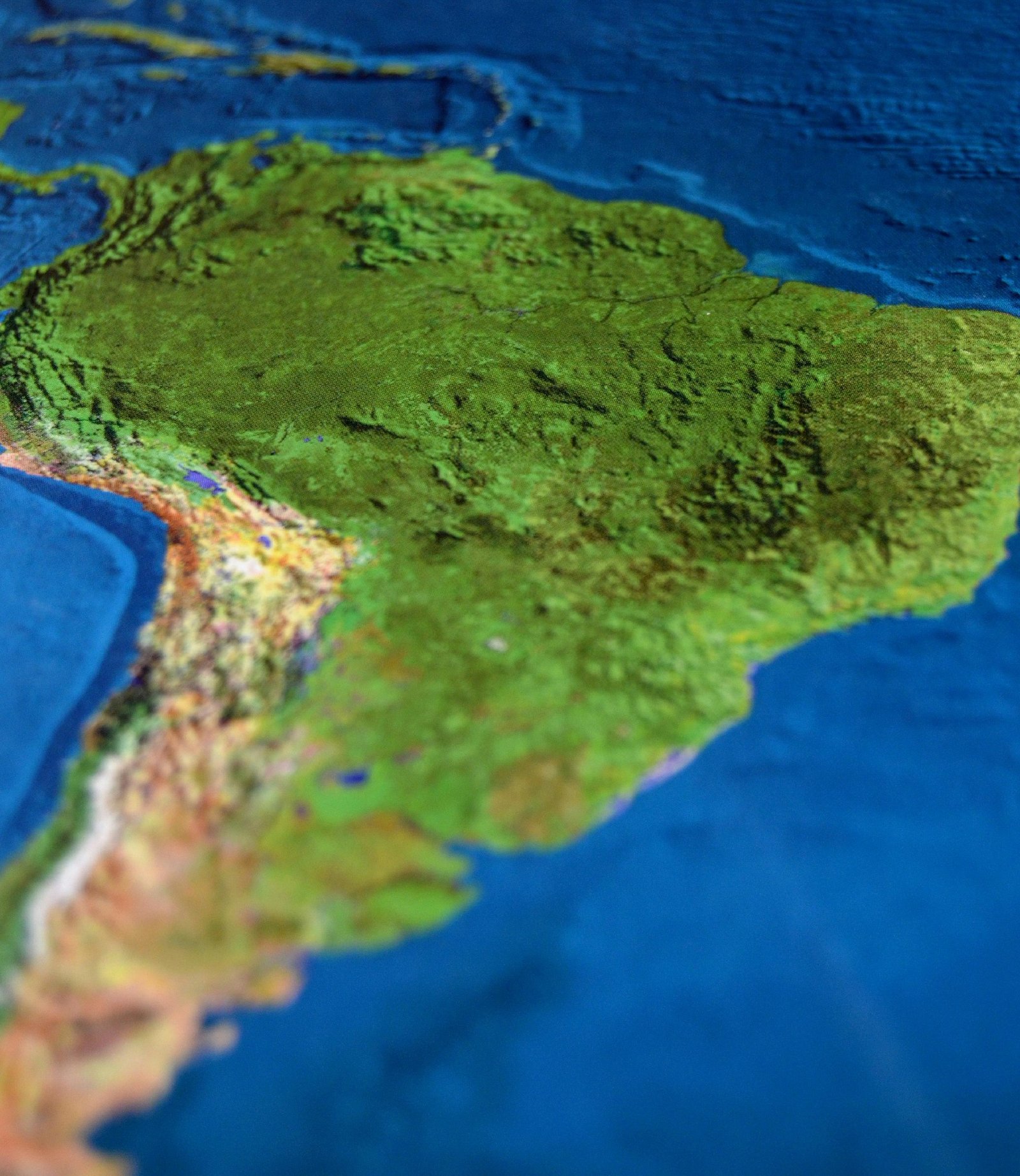
When it comes to labor markets, countries around the world operate under varying conditions and regulations. Two countries that are of particular interest to study in this regard are Bolivia and the Philippines. While these two nations are geographically distant and culturally different, they both face unique challenges and opportunities within their respective labor markets. Bolivia, a landlocked country in South America, has a predominantly agrarian economy. The labor market in Bolivia is characterized by a large informal sector, where a significant portion of the population is engaged in low-wage and often unstable employment. Many Bolivians work in agriculture, mining, and small-scale businesses, often without formal contracts or benefits. This informal nature of the labor market in Bolivia poses challenges in terms of job security, social protection, and overall economic stability. On the other hand, the Philippines, an archipelago in Southeast Asia, boasts a more diverse and dynamic labor market. With a strong services sector, particularly in industries such as business process outsourcing (BPO) and overseas labor deployment, the Philippines has been able to create employment opportunities for its workforce both domestically and internationally. However, issues such as underemployment, low wages, and lack of job security still persist in certain sectors of the Philippine labor market. Despite their differences, Bolivia and the Philippines share some common challenges in their labor markets. Both countries struggle with high levels of informal employment, limited access to social protection programs, and disparities in wages and working conditions. Addressing these issues requires a multi-faceted approach that involves collaboration between government, private sector, and civil society stakeholders. In conclusion, the labor markets of Bolivia and the Philippines present unique opportunities and challenges for their respective populations. By understanding and addressing the complexities of these labor markets, policymakers can work towards creating more inclusive, sustainable, and equitable employment opportunities for all workers. For more information check: https://www.investigar.org For a broader exploration, take a look at https://www.cotidiano.org Want a deeper understanding? https://www.sugerencias.net More in https://www.tosaopaulo.com For a different angle, consider what the following has to say. https://www.diaria.org For a broader exploration, take a look at https://www.argentinainfo.com You can also Have a visit at https://www.departements.org For a different angle, consider what the following has to say. https://www.riodejanieroinfo.com For a comprehensive overview, don't miss: https://www.latinoamericano.net If you are interested you can check the following website https://www.regionales.net For more information check: https://www.mexicocityinfo.com For a different take on this issue, see https://www.philippinesinfo.com Explore this subject in detail with https://www.boliviainfo.com also for more https://www.elindependiente.net
Leave a Comment:
SEARCH
Recent News
- Zurich, Switzerland is a vibrant city known for its stunning architecture, picturesque landscapes, and rich culture. One aspect of Zurich's cultural scene that often goes under the radar is its regional music. The city and its surrounding areas are home to a diverse range of musical styles, reflecting the multiculturalism and artistic diversity of the region.
- Top 5 Zurich Regional Movies You Must Watch
- Zurich, Switzerland: A Culinary Journey through Regional Cuisine
- Zurich, Switzerland is known for its rich culture and traditions, including traditional regional clothing that reflects the area's history and heritage. Swiss traditional clothing varies by region, with each area having its own unique style and designs. In Zurich, traditional Swiss clothing showcases a blend of functionality, craftsmanship, and aesthetics.
- Zurich, Switzerland and Paraguay Tourism: A Unique Contrast
- Zurich, Switzerland, is a vibrant city known for its stunning architecture, picturesque landscapes, and thriving cultural scene. In recent years, the city has also become a hub for film production, attracting filmmakers from around the world. Interestingly, a connection has emerged between Zurich and Paraguay through the medium of film.
- Zurich, Switzerland is known for its stunning natural beauty, modern cityscape, and thriving cultural scene. However, not many people are aware of the fascinating connection between Zurich and Paraguayan tribes. The link between these two seemingly disparate entities lies in the unique collection of Paraguayan artifacts housed in the Ethnographic Museum of Zurich.
- Zurich, Switzerland is known for its picturesque views, stunning architecture, and vibrant cultural scene. Located in the heart of Europe, Zurich offers a mix of traditional Swiss cuisine and international flavors. One particular cuisine that has been making waves in Zurich is Paraguayan cuisine.
READ MORE
10 months ago Category :

Zurich, Switzerland is a vibrant city known for its stunning architecture, picturesque landscapes, and rich culture. One aspect of Zurich's cultural scene that often goes under the radar is its regional music. The city and its surrounding areas are home to a diverse range of musical styles, reflecting the multiculturalism and artistic diversity of the region.
Read More →10 months ago Category :

Top 5 Zurich Regional Movies You Must Watch
Read More →10 months ago Category :

Zurich, Switzerland: A Culinary Journey through Regional Cuisine
Read More →10 months ago Category :
